Rehearse an air emergency from a passenger seat — calmly, safely, as many times as you need. So that if it ever happens for real, you already know what to do.
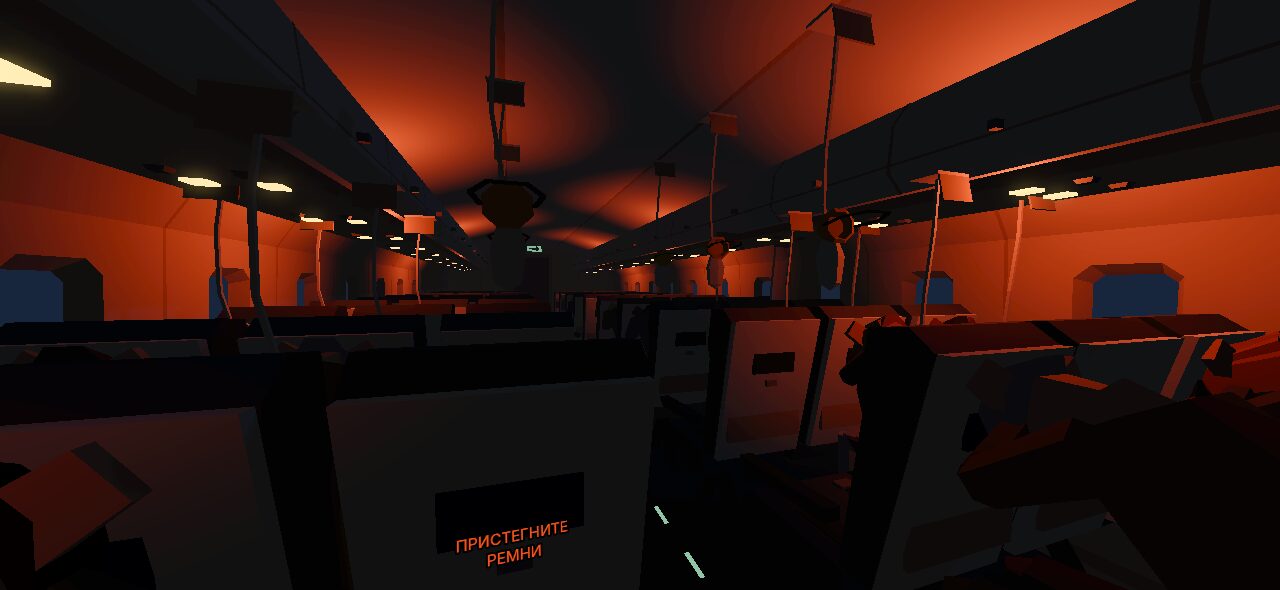
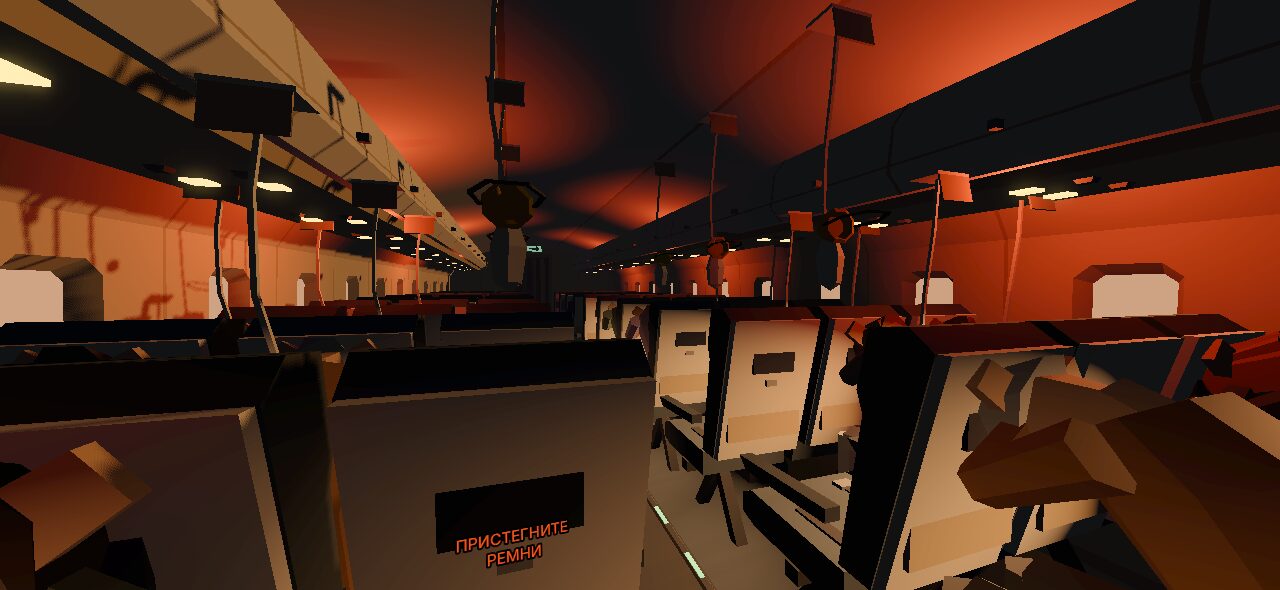
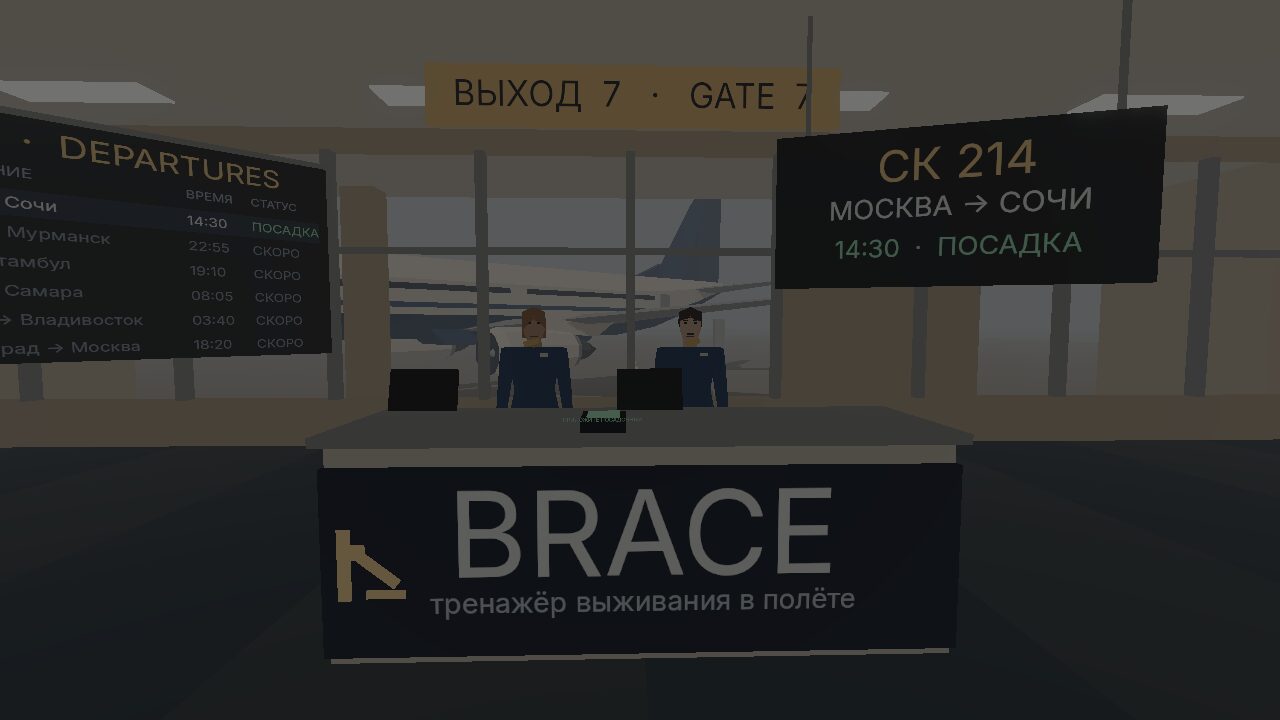
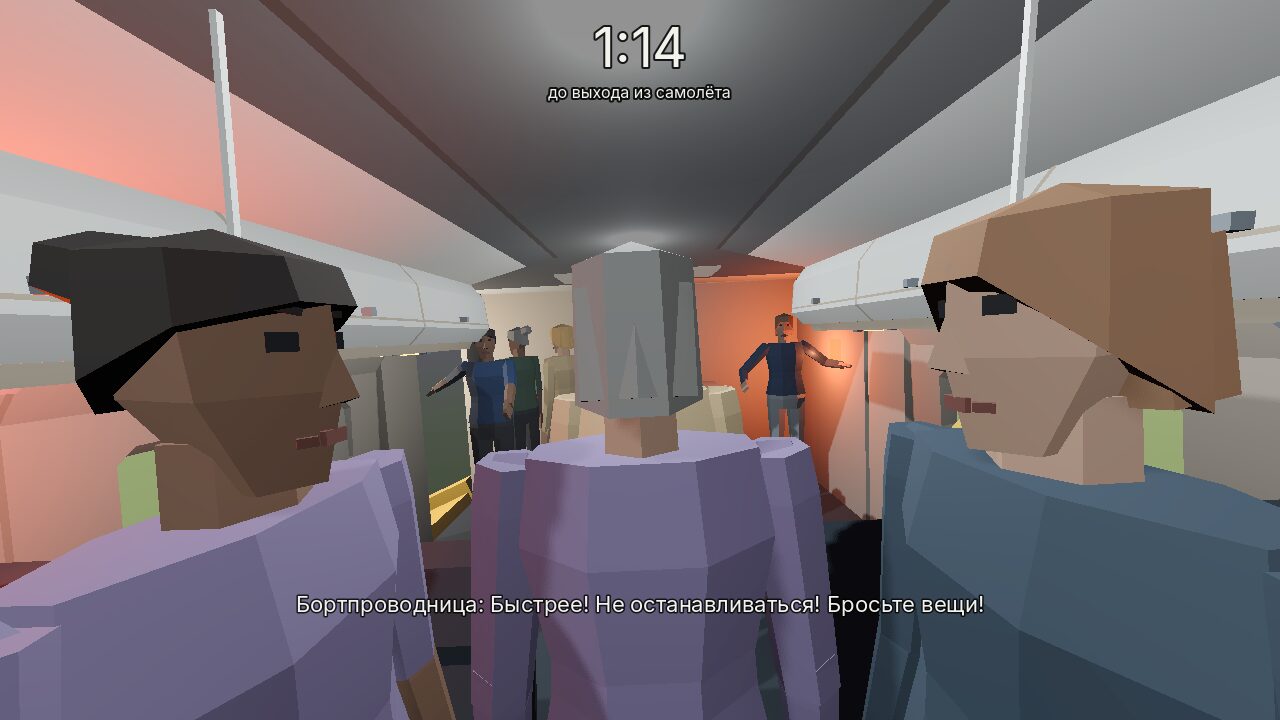
From the departure gate to the debrief: decompression, masks, an engine failure, a landing in a field and the evacuation — in real time, uncut.
In a real emergency there is no time to think. People freeze, reach for their bags, head for the door they came in through. The right moves are simple — but they have to be ready before you need them.
of people on board survived US airline accidents in 1983–2000
of evacuated passengers said people grabbing bags slowed the evacuation
of useful consciousness at 35,000 ft after a rapid decompression — mask first
the certification standard to evacuate an entire airliner
Sources: NTSB SR-01/01 and SS-00/01, FAA AC 61-107B, 14 CFR 25.803.
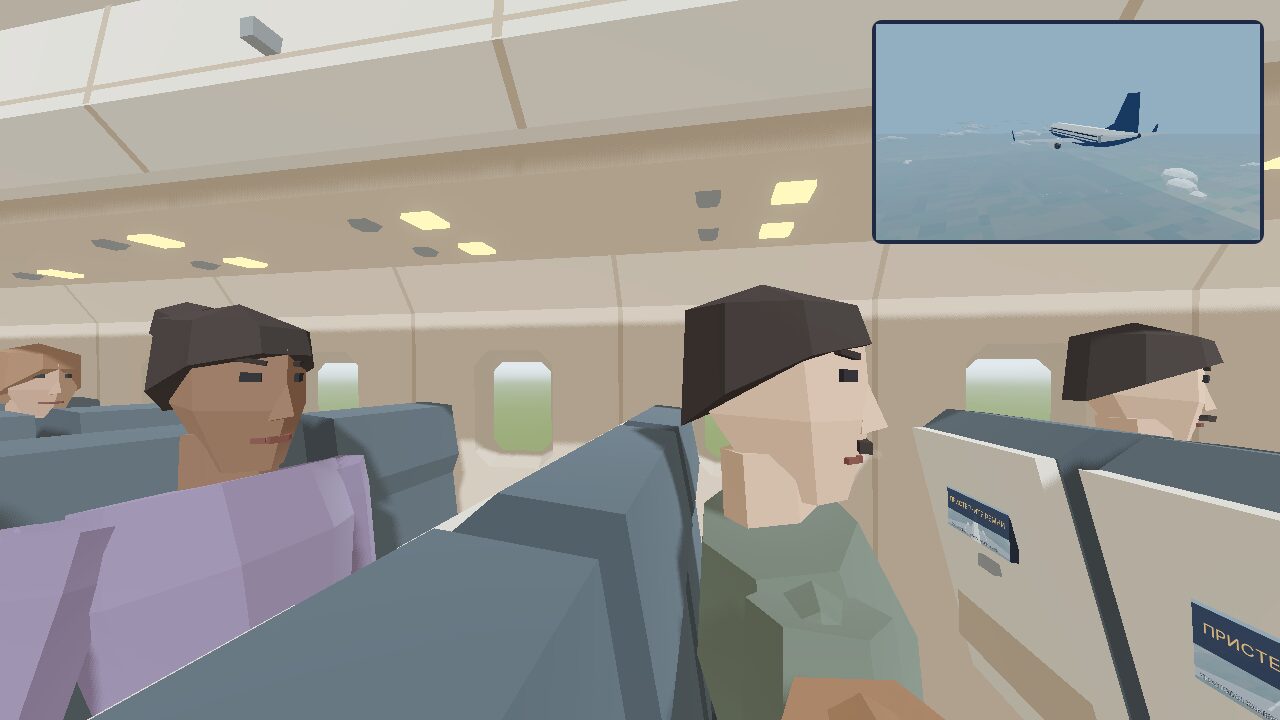
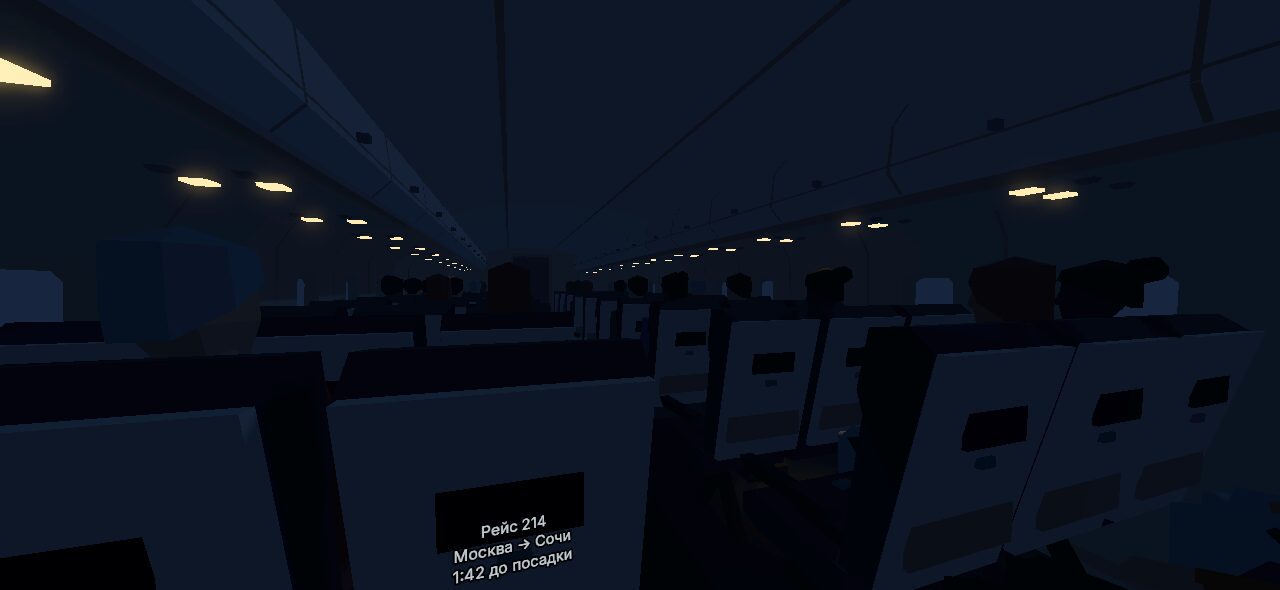
Each flight is a few quiet minutes, an emergency, an impact and an evacuation. The crew gives real commands; you act. After landing, a debrief shows what you did, what it changed and your honest odds.
Across the hips, not the belly. And know how to open it without looking.
Then help the person next to you. Without oxygen you can help no one.
The position that protects your head and neck at impact — when the crew shouts it.
Two exits, before take-off. The nearest one may be behind you.
A bag in the aisle costs seconds to everyone behind you.
Follow the floor lighting. Most deaths during evacuations are caused by smoke and fire.
Every right move helps more than you: a clear aisle, a neighbour with a mask, one more person out in time.
BRACE is built on the idea of gradual exposure: meet the frightening situation step by step, in safety, until it loses its power. And knowing what to do turns helplessness into a plan.
BRACE is not a medical treatment. If your fear of flying is severe, use it alongside a specialist, not instead of one.
Crew commands, actions and statistics are the real ones. Incidents are inspired by real types of events — never by real victims.
The outcome is an honest roll on real odds, and every right move improves them — for you and for the people around you.
Pause at any moment. Flights open one by one, from an ordinary trip to the hardest emergency.
No blood, no bodies. If a flight ends badly, the debrief is about what would have helped — not about how it ended.
Each flight has its own passenger, reason to fly and neighbours. Some have no emergency at all — they are there to show what a normal flight sounds like.
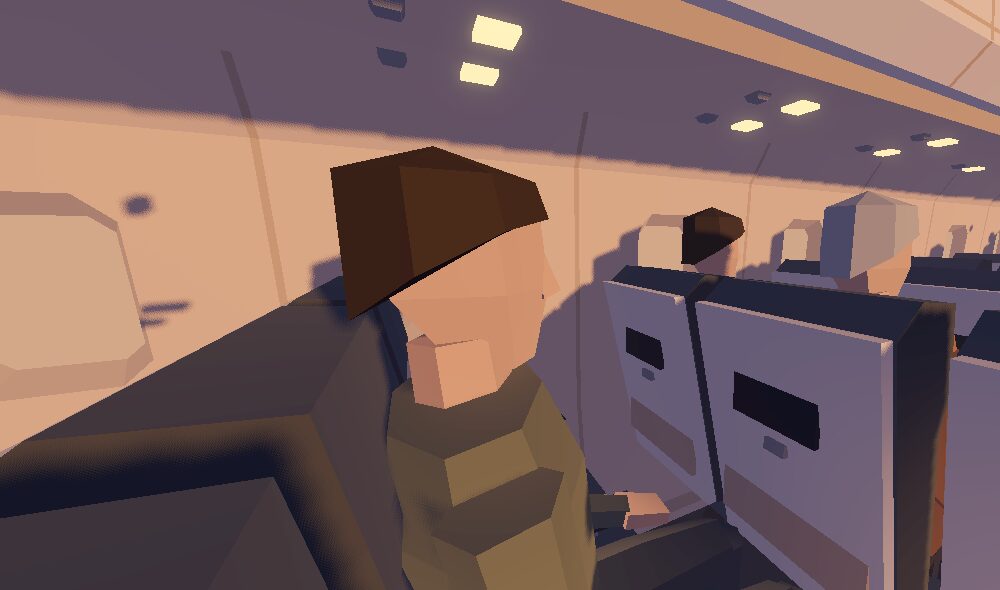
Early prototype footage.


The people who walk away are often the ones who knew what to do. BRACE lets you learn it before you ever need it.